
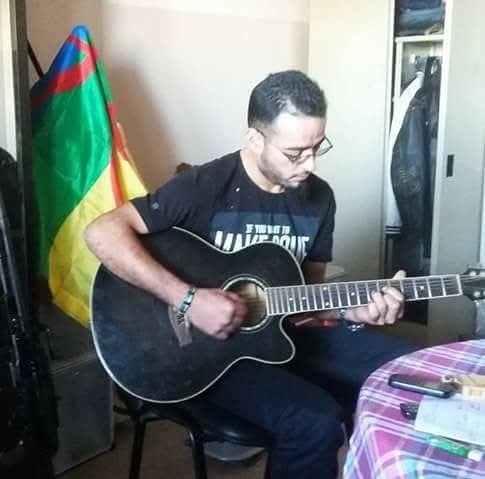
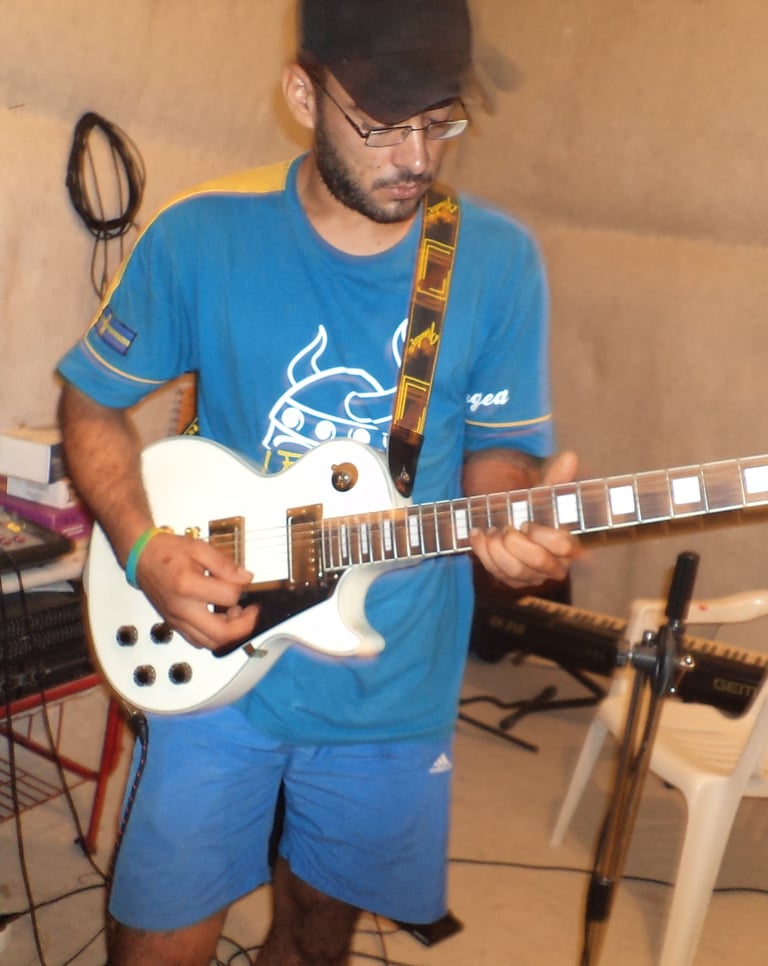
EN: Bendeq Bendeq is an Amazigh artist from Zwara, Libya, active as a musician since 2001 and officially publishing his work online since 2022. A multi-instrumentalist, singer (clean and growling), songwriter, and producer, he performs guitar, bass, drums, percussion, and keyboards. His music blends Amazigh folk traditions with modern and metal influences, creating a North African sound rooted in heritage and experimentation.
He is the creator of TAGAFA, a musical genre he developed from the words Tafriqt (Africa) and Agafa (North). TAGAFA merges traditional North African—especially Libyan—musical heritage with contemporary and metal elements, forming a unique sonic identity that connects cultural memory with modern expression.
Over the years, he has been a key figure in several bands, including Tifinaɣ and Ussan, while also developing a strong independent career as a one-man band. Since 2019, he has independently composed, recorded, produced, mixed, and distributed his music from his home studio, building a self-sustained artistic workflow rooted in creative independence.
Writing in Tamazight and English, his work reflects a deep commitment to cultural identity, language preservation, and personal expression. Having lived through periods of political repression and the Libyan revolution, his artistic journey represents resilience and a continued dedication to giving voice to Amazigh heritage through music.
His spouse and close collaborator plays a central role in supporting the development of his music career, contributing to production coordination, distribution, and media presence while helping shape both the creative and strategic direction of his work.
With albums, soundtracks, and numerous singles released, Bendeq Bendeq continues to expand the boundaries of contemporary Amazigh music through TAGAFA, contributing to a new musical direction emerging from North Africa while preserving the cultural roots that inspire his sound.
About Bendeq
ⴱⴻⵏⴷⴻⵇ ⴱⴻⵏⴷⴻⵇ ⴷ ⴰⵏⴰⵥⵓⵔ ⵏ ⵣⵡⴰⵔⴰ ⴷⴻⴳ ⵍⵉⴱⵢⴰ, ⵢⴻⴱⴷⴰ "ⵢⵓⴷⴻⵍ" ⴷⴻⴳ 2002. ⴷ ⴰⵎⵙⴻⴷⴷⴰⵢ ⵏ ⵡⴰⵟⴰⵙ ⵏ ⵡⴰⵍⵍⴰⵍⴻⵏ, ⴷ ⴰⵎⴻⵙⵙⴰⵢ (ⵙ ⵚⵚⵓⵜ "ⵍⵃⵉⵙ" ⴰⵣⴻⴷⴳⴰⵏ ⴷ ⵓⵣⴻⴼⴼⴰⵏ), ⴷ ⴰⵎⴻⵙⴽⴰⵔ ⵏ ⵜⵉⵣⵍⴰⵜⵉⵏ, ⵢⴻⵔⵏⴰ ⴷ ⴰⵎⴼⴰⵔⴻⵙ. ⵉⵜⵜⵓⵔⴰⵔ ⴰⴳⵉⵜⴰⵔ, ⵍⴱⴰⵢⵙ, ⴰⵏⵢⴰ, ⴷ ⵓⴽⵉⴱⵓⵔⴷ. ⵜⵉⵣⵍⴰⵜⵉⵏ-ⵉⵙ ⵣⴻⴷⴷⵢⴻⵏⵜ ⴳⴰⵔ ⵓⴼⵓⵍⴽ ⴰⵎⴰⵣⵉⵖ ⴷ ⵓⵎⵉⵜⴰⵍ ⵏ ⵜⵓⵔⴰ, ⴰⵢⴻⵏ ⵉ ⴷ-ⵢⴻⴼⴽⴰⵏ ⵢⵉⵡⴻⵏ ⵏ ⵙⵚⵓⵜ ⴷ ⴰⵎⴰⵢⵏⵓⵜ ⴷⴻⴳ ⵜⴻⴼⵔⵉⵇⵜ ⵏ ⵓⴳⴰⴼⴰ.
ⵏⴻⵜⵜⴰ ⵉ ⴷ ⴰⵎⴻⵙⵏⵓⵍⴼⵓ ⵏ ⵡⴰⵏⴰⵡ ⵏ ⵓⵥⴰⵡⴰⵏ ⵉ ⴷ-ⵉⵙⵓⴼⴼⴻⵖ ⵉ ⵡⵓⵎⵉ ⵉⵙⴻⵎⵎⴰ ⵜⴰⴳⴰⴼⴰ (TAGAFA), ⵢⴻⵍⵍⴰⵏ ⴷ ⴰⵡⴰⵍ ⵉ ⴷ-ⵢⴻⴽⴽⴰⵏ ⵙⴻⴳ "ⵜⴰⴼⵔⵉⵇⵜ" ⴷ "ⴰⴳⴰⴼⴰ". ⵜⴰⴳⴰⴼⴰ ⵜⵣⴻⴷⴷⴻⵢ ⴳⴰⵔ ⵓⵥⴰⵡⴰⵏ ⴰⵇⴷⵉⵎ ⵏ ⵜⴻⴼⵔⵉⵇⵜ ⵏ ⵓⴳⴰⴼⴰ—ⵍⴰⴷⵖⴰ ⵏ ⵍⵉⴱⵢⴰ—ⴷ ⵓⵎⵉⵜⴰⵍ, ⵉⵡⴰⴽⴽⴻⵏ ⴰⴷ ⴷ-ⵜⴻⵙⵙⴻⴱⴷⴻⴷ ⵜⴰⵎⴰⴳⵉⵜ ⵏ ⵓⵥⴰⵡⴰⵏ ⵉ ⴷ-ⵢⴻⴽⴽⴰⵏ ⵙⴻⴳ ⵢⵉⴷⵍⴻⵙ ⴷ ⵓⵏⴰⴷⵉ ⵏ ⵓⵎⴻⵣⵔⵓⵢ.
ⵙⴻⴳ ⵢⵉⵙⴻⴳⴳⴰⵙⴻⵏ-ⵏⵏⵉ, ⵢⴻⵍⵍⴰ ⴷ ⴰⵎⴻⵣⵡⴰⵔⵓ ⴷⴻⴳ ⵡⴰⵟⴰⵙ ⵏ ⵜⵓⵔⴰⴹ ⴰⵎ ⵜⵉⴼⵉⵏⴰⵖ ⴷ ⵓⵙⵙⴰⵏ, ⵖⴻⵔ ⵜⴰⵎⴰ ⵏ ⵓⵅⴻⴷⴷⵉⵎ-ⵉⵙ ⵡⴻⵃⴷ-ⴻⵙ. ⵙⴻⴳ 2019, ⵉⵜⵜⴻⴼⴰⵔⵉⵙ, ⵉⵅⴻⵍⵍⴻⴹ, ⵢⴻⵔⵏⴰ ⵉⵣⴻⵔⵔⵄⵓ ⵜⵉⵣⵍⴰⵜⵉⵏ-ⵉⵙ ⵡⴻⵃⴷ-ⴻⵙ ⵙⴻⴳ ⵡⵓⵙⵜⵓⴷⵢⵓ-ⵉⵙ ⵏ ⵓⵅⴻⴷⴷⵉⵎ ⴷⴻⴳ ⵓⵅⵅⴰⵎ.
ⵜⴰⵎⴻⵟⵟⵓⵜ-ⵉⵙ ⵜⴻⵜⵜⴻⴽⴽⵉ ⴰⵟⴰⵙ ⴷⴻⴳ ⵓⴱⵔⵉⴷ-ⵉⵙ ⵏ ⵓⵥⴰⵡⴰⵏ, ⵜⴻⴼⴽⴰ-ⵢⴰⵙ ⵜⴰⵍⵍⴻⵍⵜ ⴷⴻⴳ ⵓⴼⵙⴰⵔ, ⴷⴻⴳ ⵓⵙⴻⵍⵃⵓⵏ "ⵓⵙⵎⵉⵏⴻⵖ" ⵜⵎⴻⵥⵍⴰ, ⴷ ⵓⵙⵙⴻⴱⴷⴻⴷ ⵏ ⵜⴽⴻⴱⴱⴰⵏⵉⵜ-ⵉⵙ "ⵜⴰⴳⴰⵍⵓⴼⵜ-ⵉⵙ" ⵏ ⵓⵥⴰⵡⴰⵏ. ⵜⴻⵍⵍⴰ ⵖⴻⵔ ⵜⴰⵎⴰ-ⵙ ⴷⴻⴳ ⵜⴼⴰⴽⵓⵙⵉⵏ ⴷ ⵓⵅⴻⴷⴷⵉⵎ "ⵓⵇⴷⴰⵛ" ⵏ ⵜⵏⴻⵣⵣⵓⵜ.
ⵉⵜⵜⴰⵔⵓ ⵙ ⵜⴰⵎⴰⵣⵉⵖⵜ ⴷ ⵜⴻⴳⵍⵉⵣⵉⵜ; ⵜⵉⵣⵍⴰⵜⵉⵏ-ⵉⵙ ⵛⵓⴷⴷⴻⵏ-ⵜ ⵖⴻⵔ ⵜⵎⴰⴳⵉⵜ, ⴰⵙⴻⵃⴱⴻⵕ ⵖⴻⴼ ⵜⵓⵜⵍⴰⵢⵜ, ⴷ ⵓⴼⴰⵙⵙⴰⵔ ⵏ ⴰⵢⴻⵏ ⵉ ⴷ-ⵢⴻⴽⴽⴰⵏ ⵙⴻⴳ ⵡⵓⵍ. ⵙⴻⴳⵎⵉ ⵉ ⴷ-ⵉⴷⴷⴻⵔ ⴷⴻⴳ ⵜⴰⵍⵍⵉⵜ ⵏ ⵍⴱⴰⵟⴻⵍ ⴷ ⵜⴻⴳⵔⴰⵡⵍⴰ ⵏ ⵍⵉⴱⵢⴰ, ⴰⴱⵔⵉⴷ-ⵉⵙ ⵉⵙⴽⴰⵏ-ⴷ ⵜⴰⴱⵖⴻⵙⵜ ⴷ ⵓⵃⴰⵔⴻⴱ ⵖⴻⴼ ⵢⵉⴷⵍⴻⵙ ⴰⵎⴰⵣⵉⵖ.
ⴳⴰⵔ ⵢⵉⴹⴻⴱⵙⵉⵢⴻⵏ ⴷ ⵜⴻⵣⵍⴰⵜⵉⵏ ⵏ ⵙⵙⵉⵏⵉⵎⴰ, ⴱⴻⵏⴷⴻⵇ ⵎⴰⵣⴰⵍ-ⵉⵜ "ⵢⴻⵇⵇⵉⵎ" ⵉⵜⵜⴻⴽⴽⴻⵙ ⵜⵉⵍⴰⵙ ⵉ ⵓⵥⴰⵡⴰⵏ, ⵉⵙⵙⴻⴱⴷⴰⵢ ⴰⴱⵔⵉⴷ ⴰⵎⴰⵢⵏⵓⵜ ⵙ ⵜⴰⴳⴰⴼⴰ ⵓ ⵢⴻⴷⴷⴻⵔ ⵢⵉⵙ-ⵙ ⵢⵉⴷⵍⴻⵙ ⵏ ⵉⵎⴰⵣⵉⵖⴻⵏ.
TF: ⴱⴻⵏⴷⴻⵇ ⴱⴻⵏⴷⴻⵇ
TL: Bendeq Bendeq d anaẓur n Zwara deg Libya, yebda deg 2002. D amsedday n waṭas n wallalen (multi-instrumentalist), d amessay (s ṣṣut azedgan d uzeffan), d ameskar n tizlatin, yerna d amfares (producer). Itturar agitar, nnaqus (bass), abendayer (drums), d ukiybord. Tizlatin-is zeddyent gar ufolk Amaziɣ d umetal n tura, ayen i d-yefkan yiwen n sṣut d amaynut deg Tefriqt n ugafa.
Netta i d amesnulfu n wanaw n uẓawan i d-isuffeɣ i wumi isemma TAGAFA, yellan d awal i d-yekkan seg "Tafriqt" d "Agafa". TAGAFA tzeddey gar uẓawan aqdim n Tefriqt n ugafa—ladɣa n Libya—d umetal, iwakken ad d-tessebded tamagit n uẓawan i d-yekkan seg yidles d unadi n umezruy.
Seg yiseggasen-nni, yella d amezwaru deg waṭas n turaḍ (bands) am Tifinaɣ d Ussan, ɣer tama n uxeddim-is weḥd-es (one-man band). Seg 2019, ittefaris, ixeḷḷeḍ (mixing), yerna izerrɛu tizlatin-is weḥd-es seg usalun-is n uxeddim deg uxxam.
Tameṭṭut-is tettekki aṭas deg ubrid-is n uẓawan, tefka-as tallelt deg uzenzi, deg uselḥu n tmeẓla (media), d ussebded n tkebbanit-is n uẓawan. Tella ɣer tama-s deg tteqniya d uxeddim n tnezzut.
Ittaru s Tamaziɣt d Teglizit; tizlatin-is cudden-t ɣer tmagit, aseḥbeṛ ɣef tutlayt, d ufassar n wayen i d-yekkan seg wul. Segmi i d-idder deg tallit n lbaṭel d tegrawla n Libya, abrid-is iskan-d tabɣest d uḥareb ɣef yidles Amaziɣ.
Gar yiḍebsiyen (albums) d tizlatin n ssinima, Bendeq mazal-it ittekkes tilas i uẓawan, issebday abrid amaynut s TAGAFA u yedder yis-s yidles n Imaziɣen.
FR: Biographie de l'artiste
Bendeq est un artiste amazigh originaire de Zwara, en Libye, actif depuis 2002. Multi-instrumentiste, chanteur (voix claire et gutturale), auteur-compositeur et producteur, il joue de la guitare, de la basse, de la batterie, des percussions et des claviers. Sa musique mêle le folk amazigh à des influences modernes et metal, créant un son nord-africain distinctif.
Il est également le créateur du TAGAFA, un genre qu'il a développé à partir des mots Tafriqt (Afrique) et Agafa (Nord). Le TAGAFA fusionne la musique traditionnelle nord-africaine, notamment libyenne, avec des éléments modernes et metal, formant une identité sonore unique, ancrée dans le patrimoine et l’expérimentation.
Au fil des ans, il a été une figure clé de plusieurs groupes, dont Tifinaɣ et Ussan, tout en menant une solide carrière solo. Depuis 2019, il produit, mixe et distribue sa musique de manière indépendante depuis son studio personnel.
Son épouse et proche collaboratrice joue un rôle essentiel dans son parcours en tant que mécène, distributrice et agente. Elle a été déterminante dans la création et le développement de sa carrière et de son activité musicale, soutenant à la fois les aspects créatifs et professionnels de son travail.
Écrivant en tamazight et en anglais, sa musique est profondément ancrée dans l'identité culturelle, la préservation de la langue et l'expression personnelle. Ayant vécu la répression politique et la révolution libyenne, son parcours témoigne de sa résilience, de son engagement et de sa volonté de faire entendre la voix du patrimoine amazigh.
Avec des albums, des bandes originales et de nombreux singles à son actif, Bendeq continue de repousser les limites, traçant une nouvelle voie musicale avec le TAGAFA tout en préservant les racines de la culture amazighe.
English - tifinagh - Tlatinit - French
How my Journey
Began
My journey as a Libyan Amazigh artist began in the early 2000s in Tripoli, after watching my cousin play guitar—an experience that stayed with me. At the time, I couldn’t afford an instrument, but my mother sold her jewelry so I could buy my first guitar.
That moment marked my first real step into Tamazight music and the Amazigh folk tradition.
I played every day and quickly became known in my hometown.
I expanded into drums, percussion, bass, and keyboard, performing covers while developing a deeper connection to Tamazight music and the Amazigh folk tradition that continues to shape my sound.
As a Libyan Amazigh artist, my early years were shaped by a difficult reality. In 2009, my band was banned from performing at an Amazigh festival in Morocco. In 2011, during the Libyan revolution, I was involved in organizing efforts and lost close friends. I stepped away from music for a time, then returned with a renewed purpose.
In 2014, I founded a new band and began creating original work, blending the Amazigh folk tradition with modern influences. This led to the creation of TAGAFA—a fusion of “Tafriqt” (Africa) and “Agafa” (North).
Through Tamazight music, I continue to express my identity as a Libyan Amazigh artist and contribute to the evolution of the Amazigh folk tradition.
My Professional Collaborations
My professional journey in music has been shaped by collaboration, experimentation, and a deep commitment to Amazigh cultural expression.
Over the years, my journey has been deeply rooted in collective musical work. I have been part of several bands and collaborations that shaped both my artistic identity and the Amazigh music scene in Zwara and beyond.
My early experience began in 2004 with Libya in Tizi Ouzou, alongside Muḥemmed Gellu and Ԑeli Afḍiṣ, with support from Cekri Nayel. That same year, I performed with Amwaj Lbeḥṛ, contributing to live wedding performances with a group of local musicians.
Between 2005 and 2006, I joined Tagrawla, a project developed in Mesԑud Ben Xlifa’s farm, where we worked intensively toward producing original music despite the challenging political environment at the time.
In 2006, I contributed to Afri Album, one of the first studio-recordedorded Amazigh music albums produced in Tripoli. The project was initiated by a group of local activists as Ussan band who aimed to create a platform to preserve and share Amazigh language and culture through music, despite significant political restrictions at the time. The album brought together key artists, including Ԑalin Amenṣuṛi and Ԑeli Afḍiṣ, in collaboration with Basem Ṣebxa and Wesman n Xlifa. While I had begun developing my own material. I chose to focus on supporting and recording collaborative work for this milestone project at Al Masa Studios in Tripoli.
In 2008, I joined Tamurt, followed by Tinelli (2008–2011), continuing to expand my performance and recording experience with a growing network of musicians.
Between 2009 and 2011, I performed with Imezwaren, taking part in major concerts, including Tameɣra n Imezwaren, alongside a large ensemble of artists from Zwara.
In 2013, I traveled to Serbia to prepare my first official international recording, Tidet, in collaboration with Dania Ben Sasi and Ṭaṛeq Ben Sasi. The track is a rearrangement of a song by Ԑeli Amenṣuṛi, marking an important step in my artistic development.
In 2014, I founded the band Tifinaɣ at the Tifinaɣ Arts Center in Zwara, creating a space for musical experimentation and cultural production, membering Ԑaref Amensuri, Riyaḍ Lhamisi, Ṛamẓi Lɣali, Ԑalin Amensuri, Ԑala Budib, Ḥakim Ttayeb, Hajji Afḍiṣ, Maziɣ Afḍiṣ, Hajres Jrrafa, Ԑebdreḥman Bendeq, Ḍerif Luc, Haytem Dehan, Badis Amensuri, Akṛem Bendeq, and Behind the scenes support of Nazir Budib, Asif Budib, Yubas Ḥeleb nad Maḥsen Ajeyyac. That same year, I collaborated with Ṛaḍi Ɣewwaz on the track Tiwdi.
From 2015 onward, I began producing and recording my own music independently from a small studio within the Tifinaɣ Center. During this period, I created Lall n Belliri, a song dedicated to an Amazigh bride, which I composed, performed, and recorded entirely within a few hours. I also recorded Ass n Tufat, which remains officially unreleased.
In 2017, I recorded Iṭij, a cover of a song by Mԑṭub Lwennas, preserving a piece that was never officially studio-recorded by the original artist.
More recently, between 2020 and 2021, I collaborated with At Willul Band, continuing to work closely with a new generation of musicians while maintaining strong ties to my long-term collaborators. and by end of 2021, I shifted my full focus toward developing my identity as a solo artist.
In February 2022, I officially launched my independent project under the name Bendeq Bendeq, releasing my first fully self-produced single across all major platforms and my official YouTube artist channel, Tayri. This marked a defining moment in my career, as I began independently producing, owning, and distributing my music on an international level.
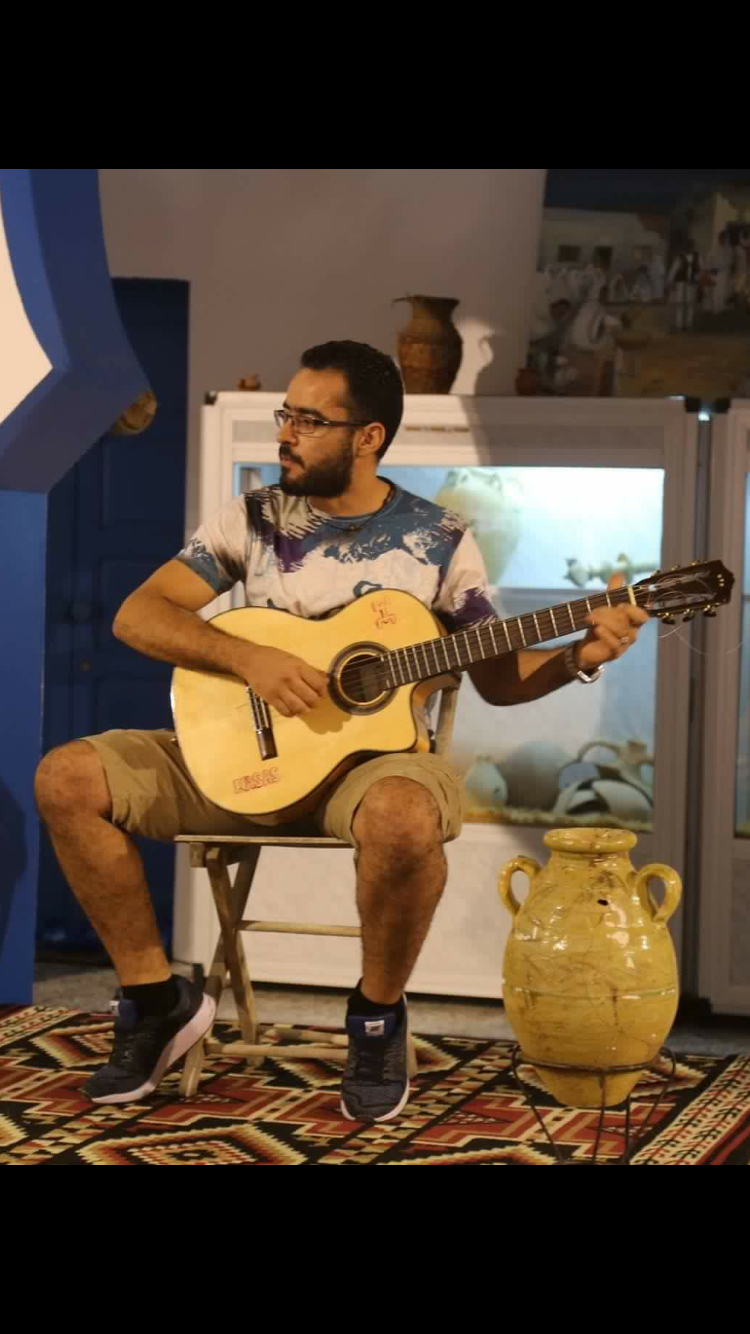
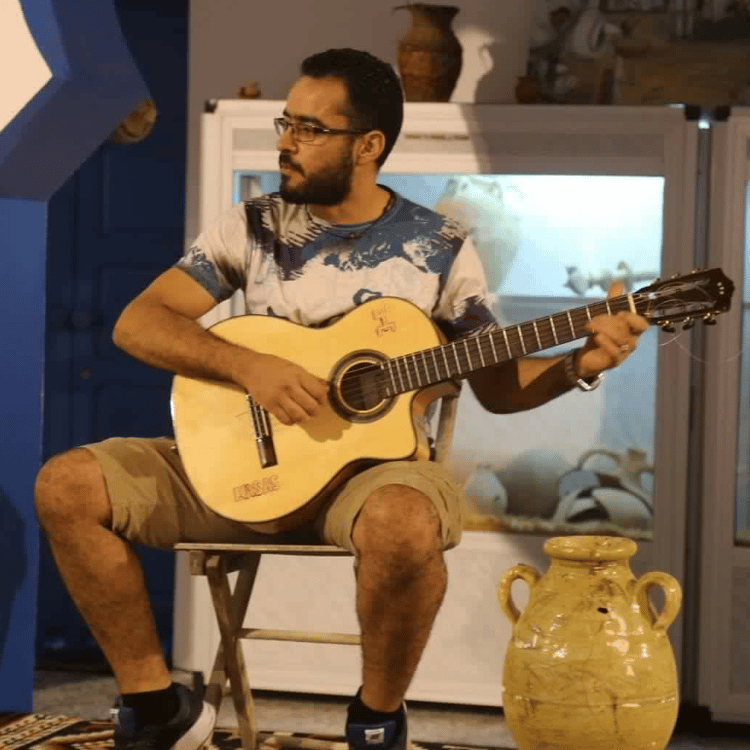
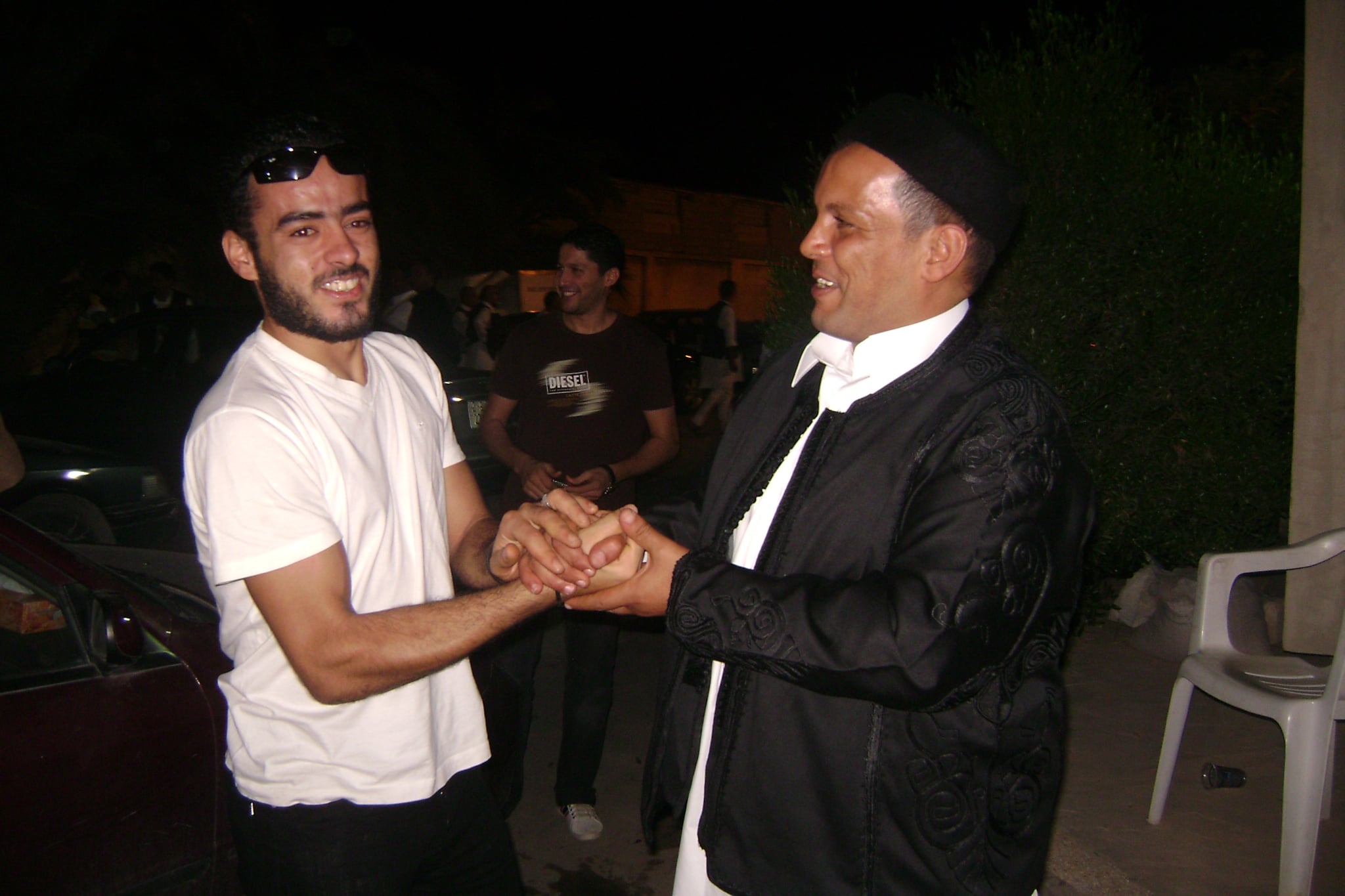
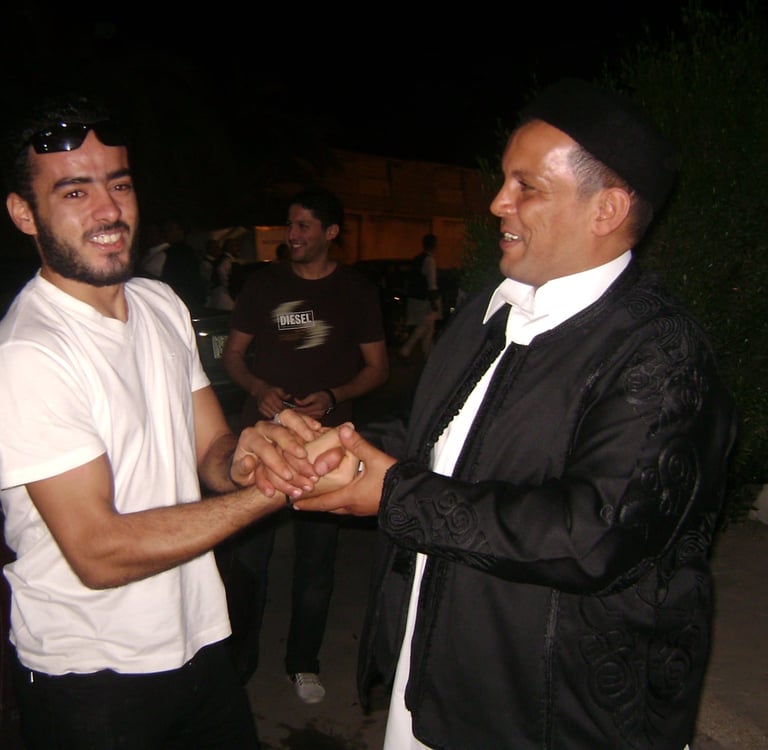
2008 - National TV

Live Performances

2013 - Zwara


2017 - Zwara
20xx - Zwara

2013 - Tunis

2023 - Home Studio

Meet the team
Meet the heroes behind the scenes who were crucial to my journey as an artist
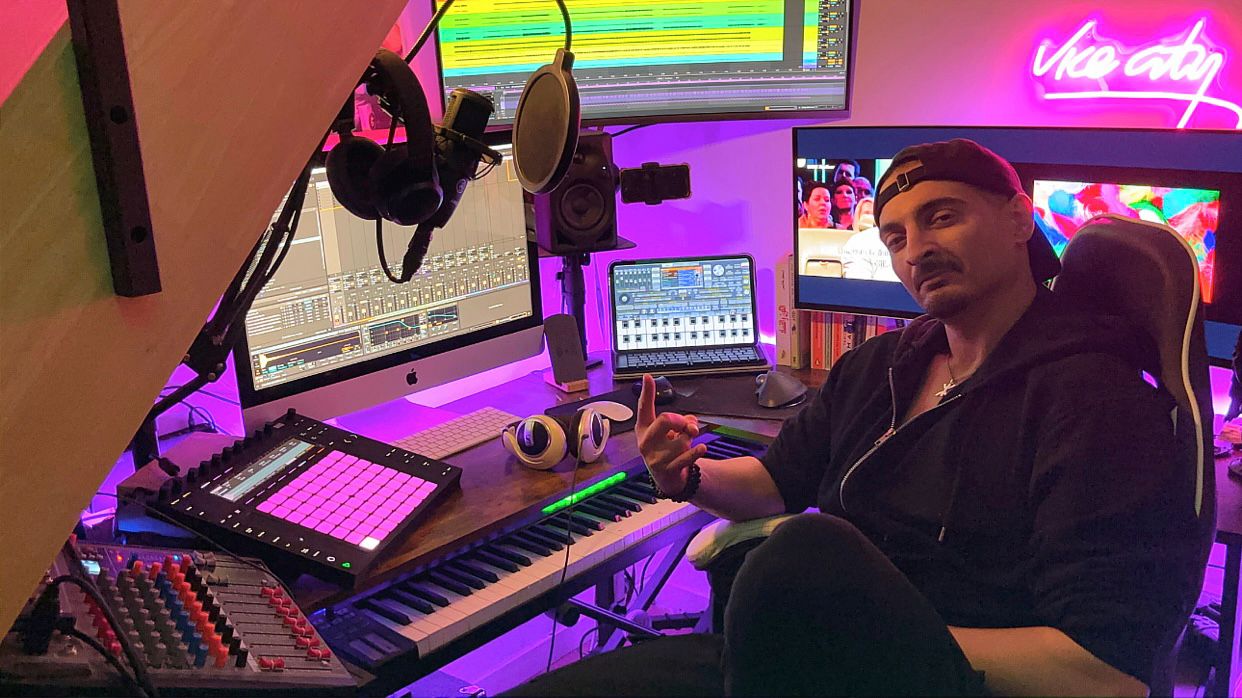
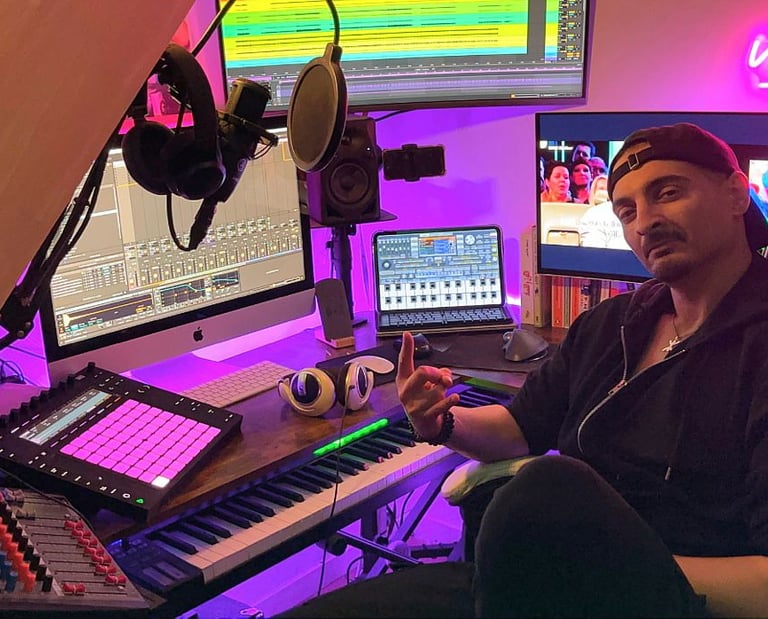
Fadel Amensur - Sound Engineer
Inspired by the idea that “without music, life would be a mistake,” Fadel’s passion began when he first saw his cousin playing keyboard. That moment led him to his own 49-key keyboard—and a lifelong journey with sound. From performing at school to discovering music production at 16, he developed his skills through online communities and experimentation. Today, influenced by genres from hip-hop to rock and metal, Fadel finds joy in shaping sound—turning raw waves into powerful, immersive experiences.
He is also the main support behind Bendeq Bendeq’s sound, leading on mastering, sound editing, and music production and helping bring each project to its highest quality.
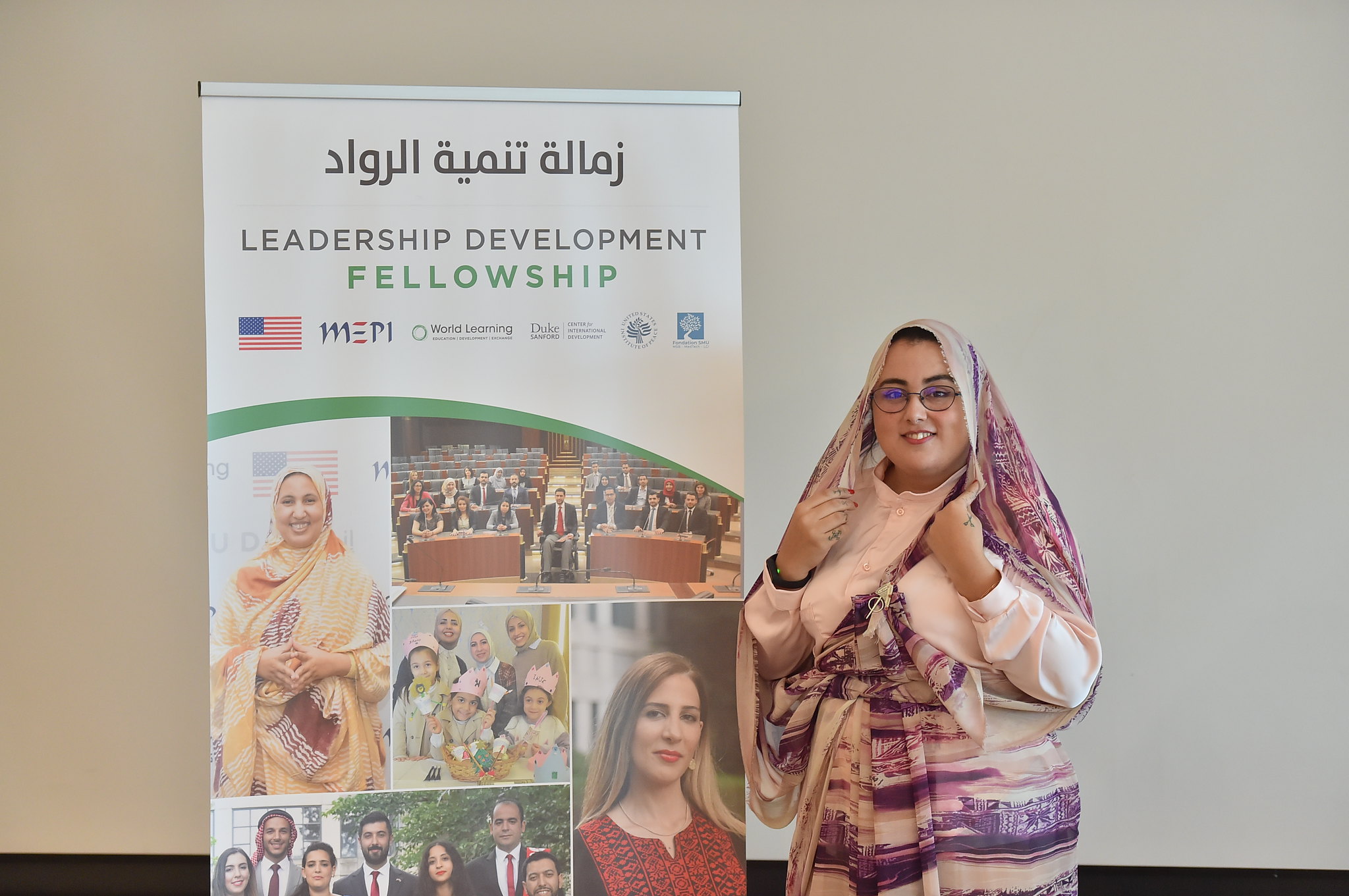
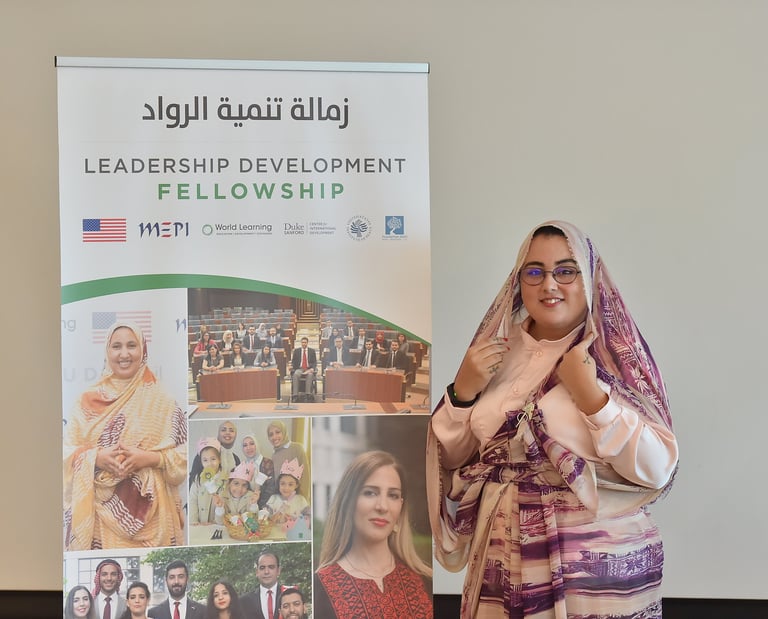
Tuza Hasairi - Creative Director
Behind Bendeq Bendeq’s visual identity and creative direction is Tuza Hasairi, the creative director and main media lead of the project since 2021. She holds a master's degree in digital media management and is the founder of Nanna Azut, a clothing brand that reimagines traditional Amazigh fashion with a modern spirit.
Since the beginning of her collaboration with Bendeq, Tuza has shaped the artistic vision, visual storytelling, and media presence of his music journey, bringing together cultural identity and contemporary creative expression.
© 2026. All rights reserved to Bendeq Bendeq